SKIN & AESTHETICS
Hyaluronidase
(Filler Dissolver)
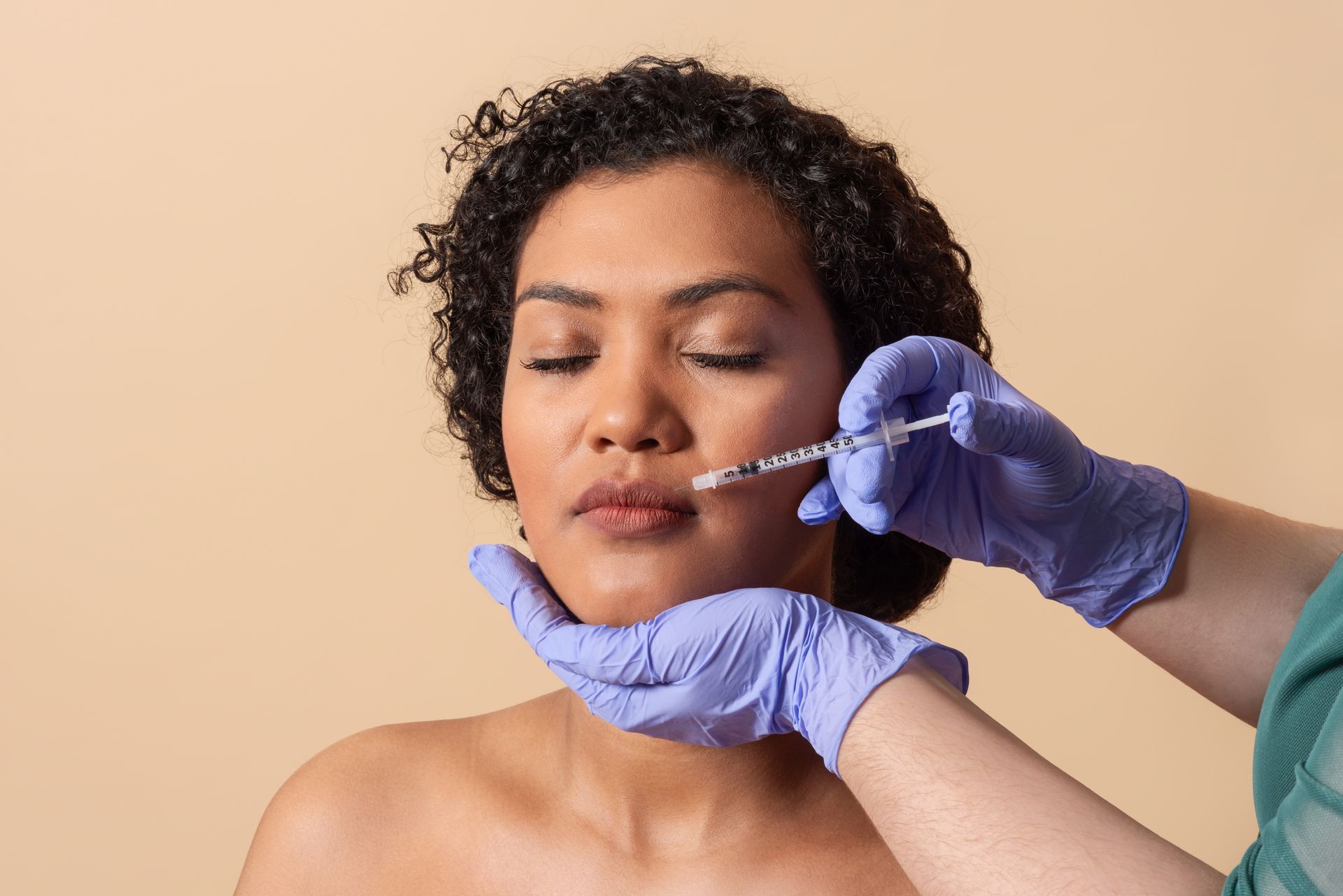
Hyaluronidase is an injectable enzyme used to dissolve hyaluronic acid-based dermal filler. It may be used to correct unwanted filler results, address asymmetry, reduce overfilling, or manage certain complications. Hyaluronidase only works on hyaluronic acid fillers - it does not dissolve Radiesse, Sculptra, silicone, or other non-HA products.
A Fresh Start.
On Your Terms.
Sometimes, your aesthetic goals change, or previous filler results aren't quite what you envisioned. Hyaluronidase offers an option for addressing unwanted hyaluronic acid filler, with a thoughtful approach to helping you feel comfortable and confident in your appearance.
Common Treatment Areas
Overcorrection or unwanted volume
Preparation for re-treatment
Asymmetry
Lumps or irregular texture (select cases)
Vascular Compromise Management
Masseters (Select Candidates)
What to expect
From your first consultation to your aftercare, explore what to expect during your visit and how we personalize each step of your experience.
Appointment time
Plan for 30–45 minutes, including time to review your concerns and treatment.
A little recovery time
Downtime is usually minimal, but swelling or bruising may last up to 1–2 weeks.
Changes you can see
Results may begin within 24–48 hours, though some corrections require additional sessions.
Your safety matters
Allergic reactions are rare but possible. Be sure to share any previous reactions or bee and wasp allergies.
Plan for your appointment
Find the details you need to plan your visit, from appointment length and preparation to aftercare and recovery.
Before your appointment
- Disclose prior filler type/location to the best of your knowledge
- Arrive with clean, makeup-free skin for proper assessment and injection planning.
- Avoid drinking alcohol for 24 hours prior to treatment.
- Avoid blood-thinning supplements (as medically appropriate) for several days prior.
- Clients who are pregnant or breastfeeding are not eligible for treatment.

After your appointment
To support optimal results, we typically recommend:
- Avoid touching or massaging the area unless directed
- Avoid drinking alcohol for 24 hours after treatment.
- Skip strenuous exercise for 24 hours
- Monitor for allergic symptoms (hives, swelling, breathing difficulty) and seek urgent care if they occur.
- Return for follow-up as directed (often around 1-2 weeks
Follow your Provider’s aftercare protocol as prescribed.
Can you dissolve any filler?
Hyaluronidase dissolves hyaluronic acid fillers only. It does not dissolve Radiesse or Sculptra.
Will it dissolve all the filler?
It depends on the amount, location, and your goals. Some cases are partial and staged to avoid overcorrection.
Is it safe?
When medically appropriate and performed by an experienced provider, it is commonly used. Rare allergic reactions are possible.
Can I re-fill afterward?
Yes. In many cases, we can plan a staged correction and re-treatment once the tissue has settled.
Start with a conversation.
A personalized consultation with Saifally Khan, MSN, FNP-BC.
Hyaluronidase
(Filler Dissolver)
Enzyme-based correction for hyaluronic acid filler
Hyaluronidase is an injectable enzyme used to dissolve hyaluronic acid-based dermal filler. It may be used to correct unwanted filler results, address asymmetry, reduce overfilling, or manage certain complications. Hyaluronidase only works on hyaluronic acid fillers - it does not dissolve Radiesse, Sculptra, silicone, or other non-HA products.
Common Treatment Areas
Overcorrection or unwanted volume
Preparation for re-treatment
Asymmetry
Lumps or irregular texture
(select cases)
Urgent management of suspected vascular compromise (time-sensitive)
Masseters (Select Candidates)
Consultation and Treatment Planning
We’ll review what product you had, where it was placed, and your desired outcome. If this is for a possible complication, we treat it as urgent and focus first on safety, then aesthetics.
What to Expect
- Appointment time: 30-45 minutes
- Downtime: minimal; swelling/bruising can occur and may last up to 1-2 weeks
- Results: can begin within 24-48 hours; sometimes staged
- May require follow-up to reassess and refine correction
- Allergy risk: rare but possible; disclose prior reactions and bee/wasp allergy history
Pre-Treatment Recommendations
- Disclose prior filler type/location to the best of your knowledge
- Skin Cleanliness: Arrive with clean, makeup-free skin for proper assessment and injection planning.
- Alcohol: Avoid drinking alcohol for 24 hours prior to treatment.
- Avoid blood-thinning supplements (as medically appropriate) for several days prior.
- Eligibility: Clients who are pregnant or breastfeeding are not eligible for treatment.
Aftercare Guidelines
To support optimal results, we typically recommend:
- Avoid touching or massaging the area unless directed
- Alcohol: Avoid drinking alcohol for 24 hours after treatment.
- Skip strenuous exercise for 24 hours
- Monitor for allergic symptoms (hives, swelling, breathing difficulty) and seek urgent care if they occur.
- Return for follow-up as directed (often around 1-2 weeks)
Follow your Provider’s aftercare protocol as prescribed.
Frequently Asked Questions
Common questions and helpful information about this treatment.
Can you dissolve any filler?
Hyaluronidase dissolves hyaluronic acid fillers only. It does not dissolve Radiesse or Sculptra.
Will it dissolve all the filler?
It depends on the amount, location, and your goals. Some cases are partial and staged to avoid overcorrection.
Is it safe?
When medically appropriate and performed by an experienced provider, it is commonly used. Rare allergic reactions are possible.
Can I re-fill afterward?
Yes. In many cases, we can plan a staged correction and re-treatment once the tissue has settled.